


Infrared light therapy treatment devices are increasingly specified by clinics, wellness centers, and distributors, but the market is flooded with panels that look identical on a product page and differ sharply in measured output. This article answers the practical question: which engineering and sourcing details separate a durable, verifiable 850nm panel from a cosmetic LED array? We cover wavelength tolerance, irradiance measurement, driver selection, EMF, factory certifications, and the questions to ask before placing an order.
Why 850nm Dominates Infrared Light Therapy Treatment Hardware
Most professional infrared light therapy treatment systems center on 850nm near-infrared LEDs, often combined with 660nm red LEDs. The 850nm band sits within the widely studied 810-850nm near-infrared window, where photon absorption by cytochrome c oxidase is proposed as the primary mechanism. From a hardware perspective, 850nm emitters are mature, mass-produced, and available with tight binning from tier-one LED fabs.
Buyers should not assume every panel labeled “850nm” delivers that wavelength. LED manufacturers bin diodes by peak wavelength, and a low-cost panel may use a wide bin such as 840-860nm or even 830-870nm. A tighter bin, such as 845-855nm, costs more per diode but gives predictable spectral output. When comparing suppliers, request the LED part number and the binning datasheet, not just the marketing wavelength.
Irradiance: The Number That Separates Real Panels from Light Boxes
Irradiance, expressed in mW/cm², is the most misreported specification in infrared light therapy treatment equipment. Many online listings quote solar-meter readings taken at the glass surface, which overstate the dose a user receives at a normal treatment distance of 6 to 12 inches. A panel that measures 150 mW/cm² at the surface may deliver only 30-50 mW/cm² at 12 inches.

Reputable manufacturers publish irradiance maps at multiple distances, measured with a spectroradiometer or a calibrated broadband meter with a known spectral response. Ask for a third-party test report or an in-house measurement video showing distance, sensor model, and ambient light conditions. For clinical use, a common target is 30-50 mW/cm² at the intended treatment plane, which delivers 3-20 J/cm² in a 10- to 20-minute session.
Beware of panels that list only total power in watts. A 1500W panel with poor optics and wide LED spacing can produce lower irradiance at the skin than a well-designed 500W panel. The relevant specification is power density at the working distance, not wall-plug wattage.
LED Binning, Driver Current, and Thermal Design
Three engineering choices determine whether an infrared light therapy treatment panel maintains output over years of daily use: LED binning, driver topology, and thermal management. Cheap panels often run LEDs at or above their maximum rated current to inflate short-term brightness, which accelerates lumen depreciation and wavelength drift.
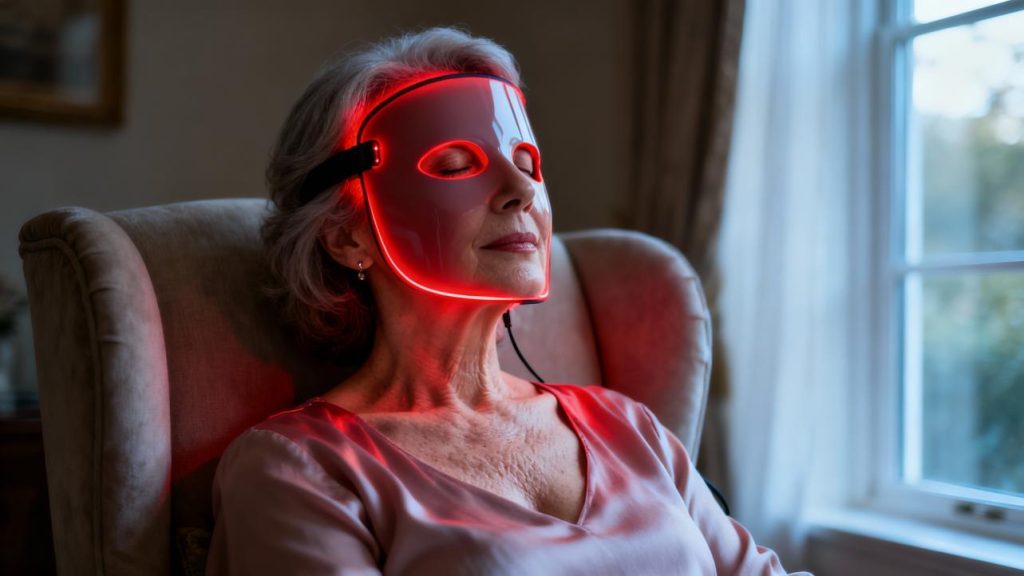
Constant-current LED drivers are non-negotiable for professional equipment. A constant-voltage driver with resistor current limiting causes uneven current sharing between LED strings, leading to hot spots and early failure. Ask the supplier whether the panel uses a switching constant-current driver and request the driver efficiency rating; 88-92% is typical for quality units. Also check the LED junction temperature at full power; a well-designed panel keeps junction temperature below 85°C after 30 minutes of operation.
Thermal design is visible in the heatsink and fan arrangement. Passive heatsinks are quieter but heavier; active cooling with temperature-controlled fans allows higher power density. A failure mode buyers often miss: if the fan fails, the driver may not derate, causing LED damage within hours. Ask whether the panel has over-temperature protection that reduces current automatically.
EMF, Flicker, and Electrical Safety in Infrared Panels
Professional buyers increasingly request low-EMF infrared light therapy treatment devices, but “zero EMF” is a marketing term with no engineering meaning. Every powered device emits some electric and magnetic fields. The practical question is the level at the treatment surface, typically 6 inches from the panel.
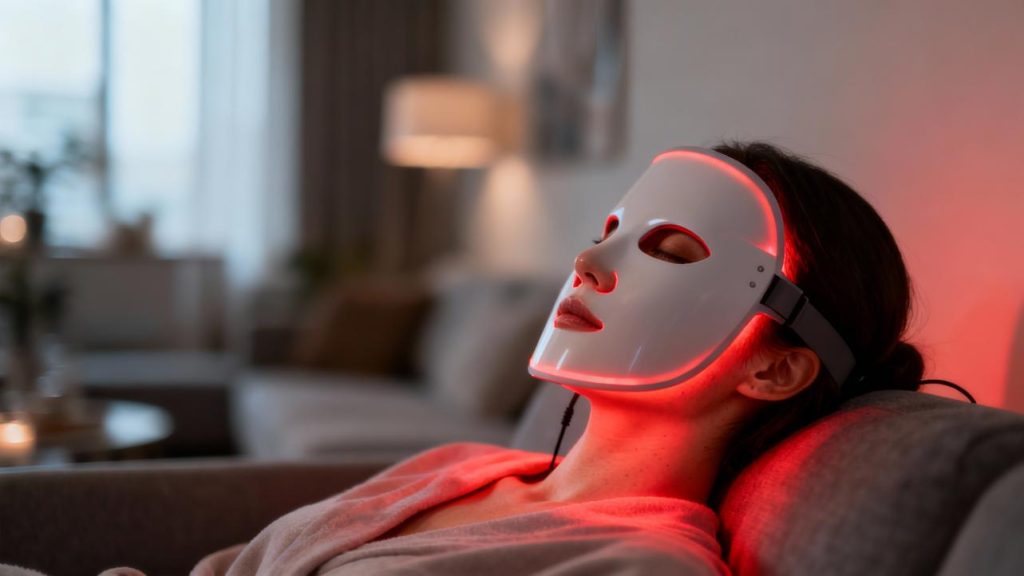
Quality panels use shielded power supplies, twisted-pair internal wiring, and grounded metal enclosures to reduce electric-field emissions. Magnetic-field emissions are harder to suppress and depend on transformer design. A reasonable specification is less than 1.0 mG at 6 inches for magnetic fields and less than 20 V/m for electric fields, measured with a gaussmeter and an EMF meter. Request the test method and distance; a reading taken at 3 feet is meaningless.
Flicker is another hidden issue. Pulse-width-modulated dimming can produce visible or invisible flicker that some users find unpleasant. For clinical use, specify a driver with high-frequency PWM (above 25 kHz) or constant-current reduction dimming. Flicker percentage below 5% at full power is a good benchmark.
Factory Certifications and What They Actually Cover
When evaluating an infrared light therapy treatment supplier, factory certifications provide a baseline for quality systems but do not guarantee product performance. CE marking indicates conformity with European electrical safety and electromagnetic compatibility directives, but it is often self-declared. RoHS restricts hazardous substances in components. ISO 9001 certifies quality management; ISO 13485 is specific to medical device quality systems and is more relevant for clinical equipment.
Ask for the certificate numbers and verify them on the issuing body’s database. A supplier that shows a CE certificate for a different product or an expired ISO certificate is a red flag. Also request the factory audit report if available, covering incoming LED inspection, soldering process, and final burn-in testing. A 24- to 48-hour burn-in at full power catches early component failures before shipping.
For OEM/ODM projects, the contract should specify the LED bin, driver brand, heatsink material, and warranty terms. Typical MOQs for custom panels range from 50 to 200 units, with lead times of 30 to 60 days after sample approval. Pricing tiers generally fall into three bands: economy panels under $150 per unit at MOQ, mid-range panels $200-$400, and clinical-grade panels with tight binning and low EMF above $400.
Comparing Infrared Light Therapy Treatment Device Classes
The table below compares four common device classes on specifications that matter for professional buyers. Each row states a consequence you can act on during sourcing.
| Device class | Typical irradiance at 12 in | Key specification to verify | Consequence if ignored |
|---|---|---|---|
| Handheld 850nm unit | 10-30 mW/cm² | Battery capacity and driver current | Short battery life or rapid LED degradation; unsuitable for clinic throughput |
| Small panel (60-150 LEDs) | 20-40 mW/cm² | LED binning and heatsink thickness | Uneven coverage and hot spots; clients receive inconsistent dose |
| Full-body panel (300-600 LEDs) | 30-60 mW/cm² | Constant-current driver count and cooling | Driver failure causes entire LED string to go dark; fan failure overheats panel |
| Modular bed or canopy | 40-80 mW/cm² | EMF shielding and duty cycle rating | High EMF near user; short duty cycle limits daily sessions |
Handheld units are portable but rarely meet clinical irradiance targets at normal use distances. Full-body panels dominate the professional market because they balance coverage, power, and cost. Modular beds offer the highest irradiance but require careful EMF management and a higher capital investment.
OEM and ODM Sourcing: Questions That Expose Weak Suppliers
Most infrared light therapy treatment panels sold under Western brands are manufactured by OEM/ODM factories in Shenzhen, Guangzhou, or Ningbo. The difference between a reliable supplier and a trading company often appears in the answers to five questions.
- Can you provide the LED manufacturer and bin code for the exact model quoted? A trading company often cannot.
- What is the measured irradiance at 6, 12, and 18 inches, and which meter was used? Vague answers indicate no real testing.
- What is the warranty on LED output degradation? Quality suppliers offer 2-3 years or 10,000 hours at 70% lumen maintenance.
- Can you ship a sample with a written test report? A supplier that refuses samples is hiding something.
- What is your after-sales process for driver or fan failure? Look for a clear replacement policy and spare parts availability.
Also request a factory video call. Walk through the incoming LED inspection area, the SMT line, and the burn-in room. A factory that cannot show these areas is likely a trading company with no quality control.
A rule of thumb for importers: if the supplier cannot tell you the LED bin code and the irradiance at 12 inches within one business day, do not place a purchase order.
Frequently Asked Questions About Infrared Light Therapy Treatment Equipment
What irradiance should I look for in a clinical panel?
For most clinical applications, target 30-50 mW/cm² at the intended treatment distance, typically 6 to 12 inches. This allows a 10- to 20-minute session to deliver 3-20 J/cm², the dose range commonly referenced in photobiomodulation research. Verify the measurement distance and meter type before comparing panels.
Is a higher wattage panel always better?
No. Wall-plug wattage does not equal optical output. A 1500W panel with poor optics and wide LED spacing can deliver less irradiance at the skin than a well-designed 500W panel. Compare irradiance at the working distance, not total power.
What is a reasonable EMF level for a full-body panel?
A practical benchmark is less than 1.0 mG magnetic field and less than 20 V/m electric field at 6 inches from the panel surface. Ask for the test method and distance, and be skeptical of “zero EMF” claims, which have no engineering basis.
How can I verify a supplier’s factory certifications?
Request the certificate numbers and check them against the issuing body’s online database. CE, RoHS, ISO 9001, and ISO 13485 are common factory certifications. Verify that the certificate covers the specific product model and is not expired or borrowed from another factory.
Making a Decision on Infrared Light Therapy Treatment Panels
Selecting an infrared light therapy treatment panel is an engineering decision disguised as a purchasing decision. The panel’s value lies in measured irradiance at the treatment plane, LED binning, driver quality, thermal protection, and EMF levels—not in marketing adjectives or total wattage.
Before committing to a supplier, obtain a sample with a written test report, verify factory certifications, and clarify warranty terms for LED degradation and component failure. A supplier that provides transparent specifications and a clear after-sales process will save you from the three most common failures: uneven coverage, premature LED dimming, and high EMF at the user position.
Post time: 11-23-26