


Purchasing red light therapy equipment wholesale requires more than a price comparison. This guide covers how to evaluate device classes, key technical specs, supplier types, and certification requirements, enabling you to make informed sourcing decisions for your business or clinic.
Understanding Red Light Therapy Equipment Types
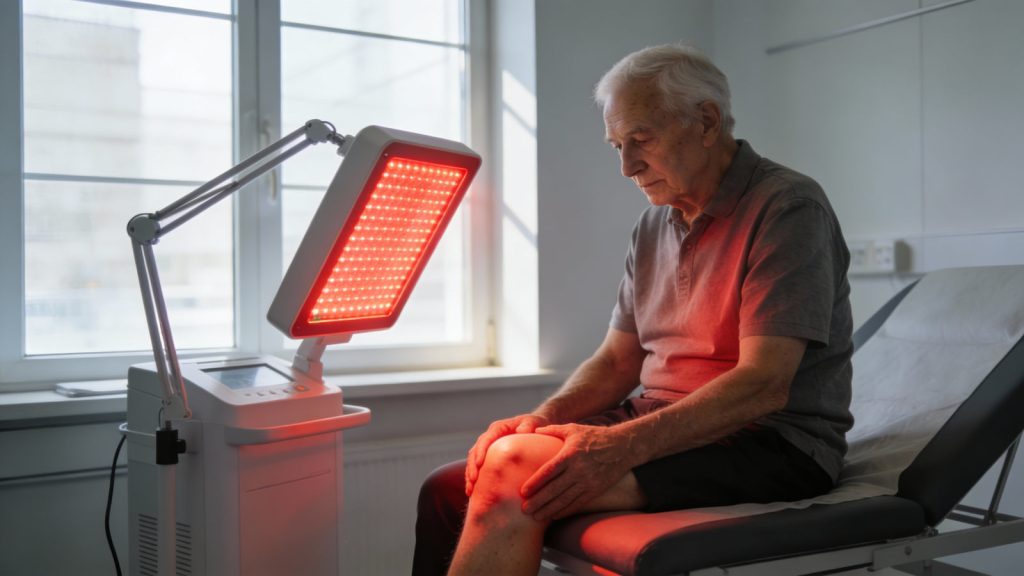
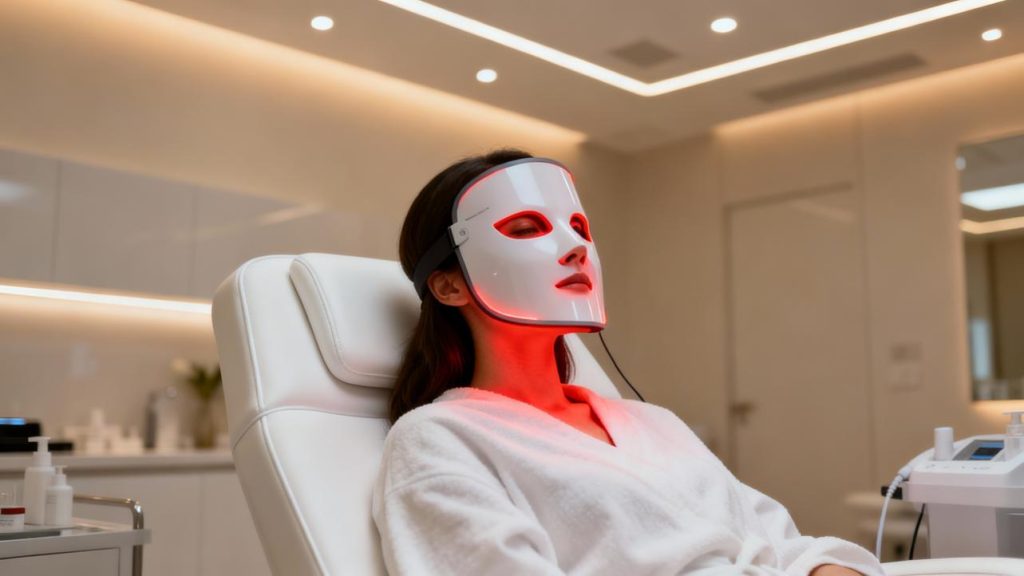
Red light therapy equipment wholesale buyers encounter a range of device classes, each suited to different business models and user volumes. Common categories include large-format panels, full-body beds, handheld wands, and modular arrays. Most professional-grade devices employ LEDs emitting in the 630-660 nm red and 810-850 nm near-infrared bands. Device size and power affect both upfront cost and operational flexibility.
- Panels: Usually 300-900 LEDs, 60-200 cm tall, wall or stand-mounted. Suitable for clinics and wellness centers.
- Beds: 10,000+ LEDs, 180-200 cm length, designed for high-throughput spas or gyms. Installation may require special electrical circuits (typically 220V, 15-20A).
- Handhelds: 10-100 LEDs, battery or AC powered, used for localized application.
- Modular arrays: Allow daisy-chaining panels for custom setups, often with magnetic or bracket mounts.
Buyers should match device class to their use case, factoring in treatment area, session throughput, and installation constraints. For example, a 900-LED panel typically covers 120 x 60 cm and delivers up to 50 mW/cm2 at 15 cm distance, suitable for multiple users per hour.
Key Technical Specifications for Wholesale Evaluation
The three most critical specs for red light therapy equipment are wavelength, irradiance, and session dose. Reliable suppliers disclose wavelength ranges (e.g., 630-660 nm, 810-850 nm) and bin their LEDs by peak emission. Irradiance, measured in mW/cm2, indicates how much power reaches the skin at a given distance. Most professional panels provide 20-50 mW/cm2 at 10-20 cm. Session dose, in J/cm2, depends on both irradiance and exposure time (common protocols use 3-20 J/cm2).

- Wavelength tolerance: Quality bins stay within ±10 nm of the stated center; ask for spectrometer reports on sample units.
- Irradiance measurement: Confirm with third-party or integrating sphere data, not just supplier claims.
- Thermal management: Look for aluminum heat sinks and active cooling in larger units to avoid LED derating.
- Driver type: Constant-current drivers are preferred for LED longevity and stable output.
Request a sample report or data sheet, and check that values are measured at realistic distances and ambient temperatures. Avoid vendors who only provide theoretical or uncalibrated values.
Supplier Types: OEM, ODM, and Private Label
Wholesale buyers typically encounter three supplier models in the red light therapy equipment sector: OEM (original equipment manufacturer), ODM (original design manufacturer), and private label. Each offers a different balance of customization, minimum order quantity (MOQ), and lead time.
| Supplier Type | Customization | MOQ | Lead Time | Decision Consequence |
|---|---|---|---|---|
| OEM | High (bespoke design) | 200-500 units | 8-16 weeks | Best for unique branding or features; higher investment |
| ODM | Medium (pre-designed, minor tweaks) | 50-200 units | 4-10 weeks | Faster to market, moderate customization |
| Private Label | Low (logo only) | 10-50 units | 2-6 weeks | Lowest barrier, fastest delivery, off-the-shelf models |
For first-time buyers, ODM or private label is often the fastest route to market, while established distributors may invest in OEM for a differentiated product line. Always request a sample before confirming a bulk order, regardless of supplier type.
Certification and Compliance: What to Demand
Red light therapy equipment sold wholesale must meet relevant safety and quality standards. Key factory and product certifications include:
- CE (Conformité Européenne): Required for the EU market; covers electrical safety and electromagnetic compatibility.
- RoHS (Restriction of Hazardous Substances): Ensures lead, mercury, and other hazardous materials are within safe limits.
- IEC 62471: Specifies photobiological safety of lamps and lamp systems; ask for risk group classification (e.g., RG 0 or RG 1).
- ISO 9001/13485: Factory quality management systems for general and medical device manufacturing, respectively.
Request up-to-date certificates with the supplier’s name and product code. Some markets may require additional documentation. Lack of proper certification can delay customs clearance or expose you to liability.
Always verify that certificates reference your specific model and supplier name; generic or expired certificates are a red flag.
Comparing Device Classes and Their Trade-Offs
Choosing between a panel, bed, or handheld device involves several real-world trade-offs beyond price and size. The table below summarizes key differences and their practical implications.
| Device Class | Wavelengths | Irradiance (mW/cm2) | Coverage | Consequence |
|---|---|---|---|---|
| Panel | 630-660, 810-850 nm | 20-50 | 60-120 cm2 | Efficient for partial or full body, flexible placement |
| Bed | 630-660, 810-850 nm | 10-40 | 180 x 60 cm | High throughput, large footprint, higher install cost |
| Handheld | 630-660 nm | 10-30 | <20 cm2 | Best for targeted use, portable, slower for large areas |
For clinics with limited space, panels offer a balance of coverage and portability. Beds are suited to dedicated wellness centers expecting high session volumes. Handhelds serve as entry-level or supplementary devices but are less practical for full-body application.
Quality Control and Failure Modes
Quality assurance is a crucial aspect when sourcing red light therapy equipment wholesale. Even reputable suppliers encounter batch variability. Common failure modes include LED degradation (output drop after 5,000-10,000 hours), driver failure, fan noise or breakdown in actively cooled units, and housing warping under prolonged heat.
- Request a 48-72 hour burn-in test report for bulk orders.
- Check for thermal runaway protection and overcurrent safeguards in driver specs.
- Ask about spare parts availability, especially for fans, drivers, and control boards.
- Review warranty terms—1 year is standard, 2-3 years available from higher-tier suppliers.
Regularly calibrate irradiance output with a photodiode meter, especially if using devices in a clinical setting. A 10% drop in output over the first year is within normal tolerance for most commercial LED systems.
MOQ, Lead Time, and Pricing Structures
Minimum order quantity (MOQ) and lead time vary widely by supplier type and customization level. Entry-level panels may have MOQs as low as 10-20 units for private label orders, while custom OEM runs typically start at 200-500 units. Lead times range from 2 weeks (stocked models) to 16 weeks (custom OEM). Pricing tiers typically improve at 50, 100, and 500 unit thresholds.
- Request clear lead time breakdowns: sample, production, and shipping.
- Negotiate staged payments, with 30% deposit and balance on shipment as a common structure.
- Factor in shipping method—air freight is faster but can add $20-50 per unit versus sea freight.
Include customs duties, taxes, and last-mile delivery in total landed cost calculations. Suppliers with established export experience can often pre-arrange DDP (delivered duty paid) shipments for an additional fee.
How to Vet a Red Light Therapy Equipment Wholesale Supplier
Due diligence reduces risk in wholesale transactions. Start with a factory audit (virtual or on-site), and verify business licenses and export records. Review sample units for build quality, packaging, and spec-sheet accuracy. Reliable suppliers provide references from previous buyers in your region.
- Check for ISO 9001 or ISO 13485 certification to gauge factory process maturity.
- Request a bill of materials (BOM) breakdown for custom orders to clarify component sourcing.
- Insist on a pre-shipment inspection, especially for orders over $10,000.
Language barriers and time zone differences can slow communication—establish a single point of contact and set clear response timelines. For first orders, consider using a third-party escrow service or a letter of credit.
FAQ: Red Light Therapy Equipment Wholesale
What is the typical lifespan of commercial-grade red light therapy equipment?
Most commercial-grade LED-based devices offer 20,000-50,000 hours of rated life for the LEDs, but power supplies and fans may require service or replacement after 3-5 years of daily operation.
How do I verify the actual irradiance of the device I am importing?
Request third-party test reports using a calibrated photodiode or integrating sphere, and ask for measurement data at specified distances (e.g., 15 cm from the device surface).
What documentation should I receive with a wholesale order?
Expect an invoice, packing list, CE/RoHS/IEC certificates, user manual, warranty statement, and—if applicable—OEM or ODM design files or labeling proofs.
Can I request custom wavelengths or mixed LED ratios in my order?
Yes, most OEM and some ODM suppliers offer custom LED binning, including specific ratios of red (e.g., 660 nm) and near-infrared (e.g., 850 nm); MOQs apply and may increase lead time.
Conclusion: Making the Right Wholesale Sourcing Decision
Wholesale red light therapy equipment sourcing involves balancing technical, regulatory, and commercial factors. Device class, wavelength, irradiance, supplier type, and certification all directly affect usability and market acceptance. Always request sample units and supporting documentation before committing to a large purchase.
By focusing on evidence-based specifications and robust supplier vetting, you can reduce sourcing risk and ensure that your red light therapy equipment meets both performance and compliance expectations in your target market.
Post time: 11-29-26