

Understanding the Difference Between 660nm Red Light and 850nm Near Infrared Light Therapy
Red light therapy has become one of the fastest-growing wellness technologies worldwide, used in home wellness, beauty clinics, sports recovery centers, and rehabilitation applications.
When choosing a red light therapy device, one of the most common questions is:
“Is 660nm or 850nm better for red light therapy?”
The answer depends on your specific goals.
The 660nm red light wavelength mainly works on the surface layers of the skin, making it popular for skincare, collagen production, and anti-aging applications.
The 850nm near infrared light wavelength penetrates deeper into tissues, making it suitable for muscle recovery, joint support, and deeper wellness applications.
Many professional red light therapy devices combine both wavelengths to provide full-body photobiomodulation benefits.
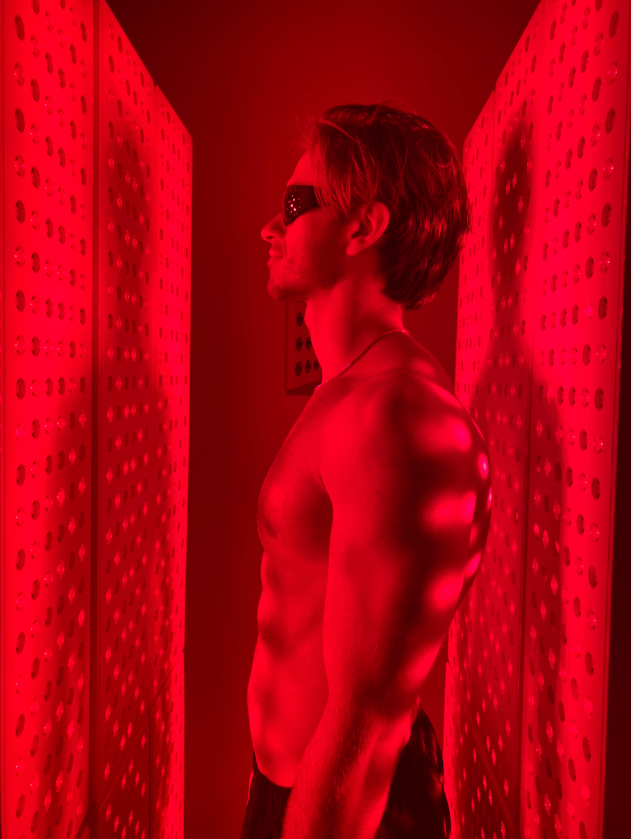
What Is 660nm Red Light Therapy?
How Does 660nm Red Light Work?
660nm is a visible red light wavelength located within the red spectrum.
Because of its shorter wavelength, 660nm red light is primarily absorbed by the skin surface and shallow tissue layers.
When red light reaches skin cells, it interacts with mitochondria, the energy-producing components of cells.
This process is known as:
Photobiomodulation (PBM)
Photobiomodulation may support cellular energy production and normal biological processes.
Benefits of 660nm Red Light Therapy
1. Skin Health and Anti-Aging Support
660nm red light therapy is widely used in beauty and skincare applications.
Common applications include:
- Supporting collagen production
- Improving skin appearance
- Reducing the appearance of fine lines
- Promoting healthier-looking skin
For this reason, many LED face masks and beauty devices use 630nm-660nm red light wavelengths.
2. Surface-Level Recovery
Because 660nm light targets superficial tissue, it is commonly used for:
- Skin recovery
- Cosmetic treatments
- Facial wellness
- Daily skincare routines
3. Home Beauty Applications
For consumers searching for:
- Red light therapy mask
- LED skincare device
- Anti-aging light therapy
660nm is one of the most popular wavelength choices.
What Is 850nm Near Infrared Light Therapy?
How Does 850nm Infrared Light Work?
850nm is a near infrared (NIR) wavelength that is invisible to the human eye.
Compared with 660nm red light, 850nm near infrared light can penetrate deeper into body tissues.
This makes it widely used in:
- Muscle recovery
- Sports performance
- Joint wellness
- Full body therapy systems
Benefits of 850nm Near Infrared Light Therapy
1. Deep Tissue Support
850nm near infrared light can reach deeper tissue layers compared with visible red light.
It is commonly selected for:
- Muscle relaxation
- Recovery after exercise
- Joint wellness
- Deep tissue applications
2. Sports Recovery Applications
Professional athletes and fitness users increasingly use near infrared therapy devices after training.
Common applications:
- Muscle recovery support
- Workout recovery routines
- Physical wellness programs
3. Full Body Therapy Devices
Many large red light therapy panels and mats use 850nm LEDs because they are designed for whole-body applications.
660nm vs 850nm Red Light Therapy Comparison
| Feature | 660nm Red Light | 850nm Near Infrared Light |
|---|---|---|
| Light Type | Visible red light | Invisible infrared light |
| Wavelength | 660 nanometers | 850 nanometers |
| Penetration Depth | Surface skin layers | Deeper tissue |
| Main Applications | Skin health, beauty | Muscle recovery, deep wellness |
| Popular Products | LED face mask, beauty devices | Therapy panels, full body mats |
| Best For | Skin appearance | Recovery and deeper applications |
Which Red Light Therapy Wavelength Is Better?
The better wavelength depends on your intended use.
For Skin and Beauty: Choose 660nm
If your goal is:
- Anti-aging skincare
- Facial treatment
- Skin appearance improvement
- Beauty wellness
A 660nm red light therapy device may be the better choice.
For Muscle Recovery: Choose 850nm
If your goal is:
- Exercise recovery
- Muscle wellness
- Joint support
- Full-body therapy
850nm near infrared light is usually preferred.
For Maximum Coverage: Choose a Combination of 660nm + 850nm
Professional red light therapy manufacturers often combine both wavelengths.
A dual wavelength device provides:
- Surface skin benefits from 660nm
- Deep tissue support from 850nm
This is why many premium red light therapy panels and mats use:
660nm + 850nm dual chip LED technology
Why Professional Red Light Therapy Devices Use Dual Wavelength Technology
Modern red light therapy equipment is designed around multi-purpose wellness needs.
A dual wavelength red light therapy panel can provide:
1. Better Application Range
Suitable for:
- Home wellness
- Fitness recovery
- Beauty clinics
- Rehabilitation centers
2. Improved User Experience
Users do not need multiple devices for different purposes.
One device can support multiple wellness routines.
3. Higher Commercial Value
For distributors, gyms, clinics, and wellness brands, dual wavelength products offer:
- Wider customer groups
- Higher product value
- Better market competitiveness
How to Choose the Best Red Light Therapy Device?
When selecting a red light therapy device, wavelength is only one factor.
Consider these important specifications:
1. LED Wavelength Combination
Recommended:
- 660nm red light
- 850nm near infrared light
2. Irradiance Output
Higher irradiance allows efficient light delivery.
Professional buyers should check:
- mW/cm² output
- Testing reports
- Distance measurement
3. Treatment Area
Different products serve different users:
| Product | Application |
|---|---|
| LED Face Mask | Beauty skincare |
| Therapy Belt | Targeted treatment |
| Red Light Panel | Whole body wellness |
| Red Light Therapy Mat | Full body applications |
4. Manufacturer Capability
For brands and distributors, choosing a reliable supplier is essential.
Look for:
- OEM/ODM capability
- Product certification
- Quality control system
- Stable production capacity
- International shipping experience
OEM Red Light Therapy Device Manufacturer for Global Brands
As demand for photobiomodulation products continues to grow, more wellness brands are looking for reliable red light therapy manufacturers.
A professional OEM supplier can provide:
- Custom product design
- Private label solutions
- Customized packaging
- Flexible production options
- Quality inspection
US Red Light Therapy specializes in developing and manufacturing:
- Red light therapy panels
- Full body therapy mats
- LED therapy devices
- Customized wellness solutions
Our dual wavelength technology combines:
660nm red light + 850nm near infrared light
to meet different wellness and commercial applications.
Frequently Asked Questions (FAQ)
Is 660nm or 850nm better for red light therapy?
Neither wavelength is universally better. 660nm is better suited for surface skin applications, while 850nm is commonly selected for deeper tissue and muscle recovery applications.
Can I use 660nm and 850nm together?
Yes. Many professional red light therapy devices combine both wavelengths to provide broader applications.
What wavelength is best for skin?
660nm red light is one of the most commonly used wavelengths for skincare and beauty applications.
What wavelength penetrates deeper?
850nm near infrared light generally penetrates deeper than visible 660nm red light.
What is the best red light therapy panel wavelength?
For most full-body red light therapy panels, a combination of 660nm and 850nm provides a balanced solution.
Conclusion: 660nm vs 850nm Red Light Therapy
The choice between 660nm vs 850nm red light therapy depends on your specific needs.
- Choose 660nm red light therapy for skincare and surface applications.
- Choose 850nm near infrared light therapy for deeper wellness and recovery.
- Choose 660nm + 850nm dual wavelength devices for the most comprehensive solution.
For consumers, dual wavelength devices provide greater flexibility.
For brands and distributors, dual wavelength red light therapy products represent a strong opportunity in the growing wellness market.
Post time: 08-10-26